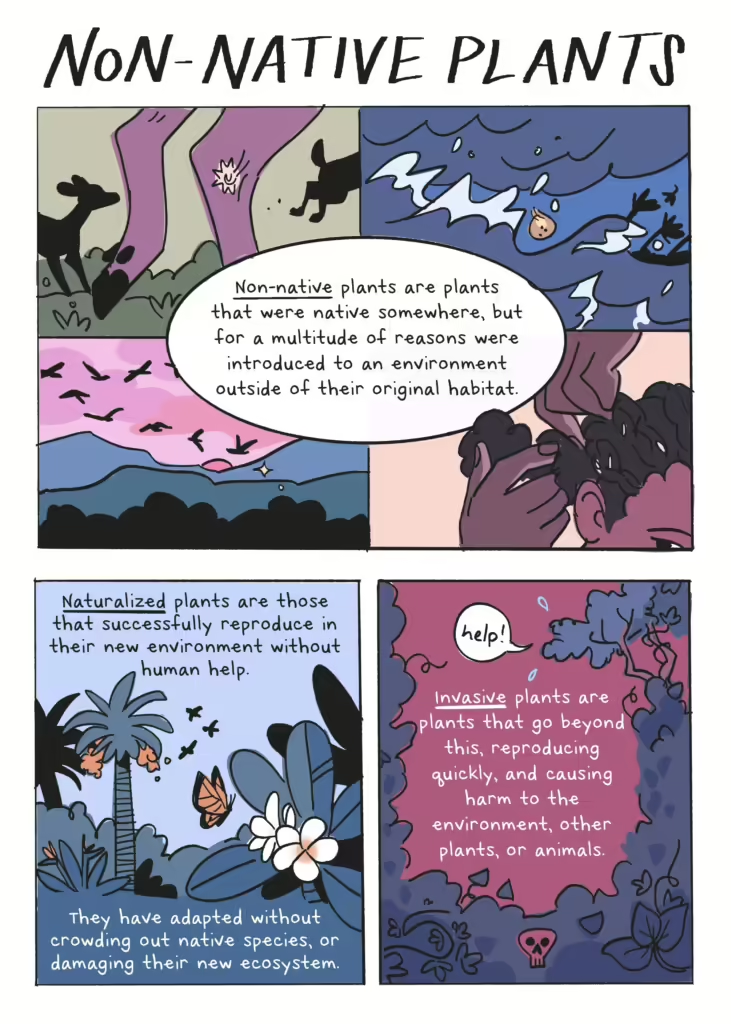
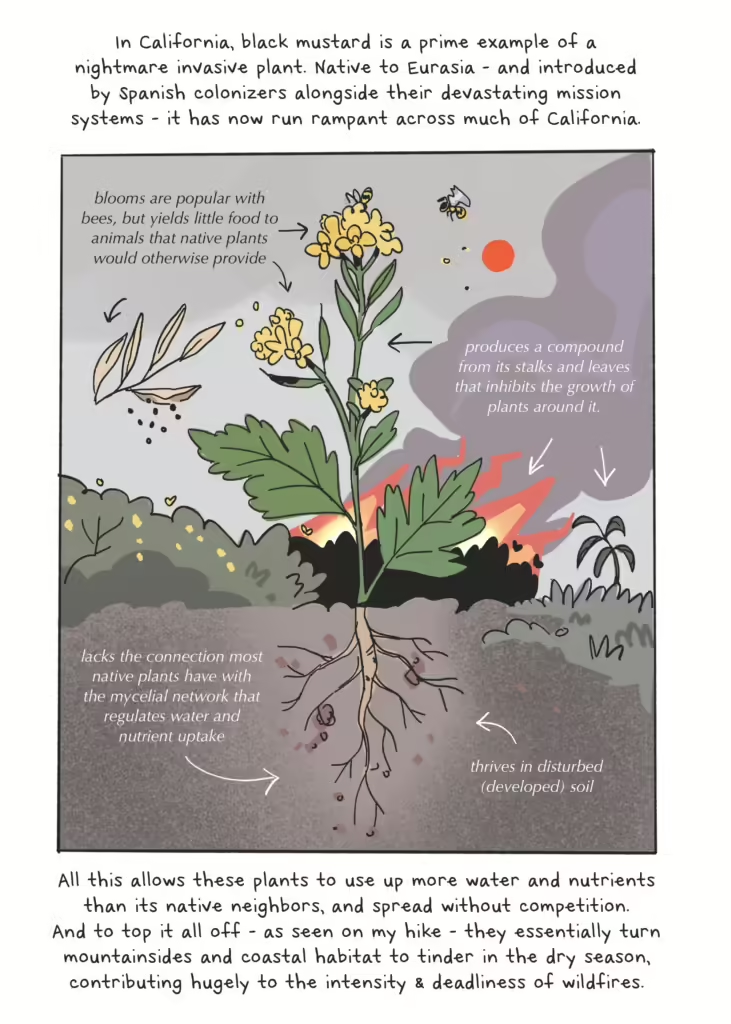
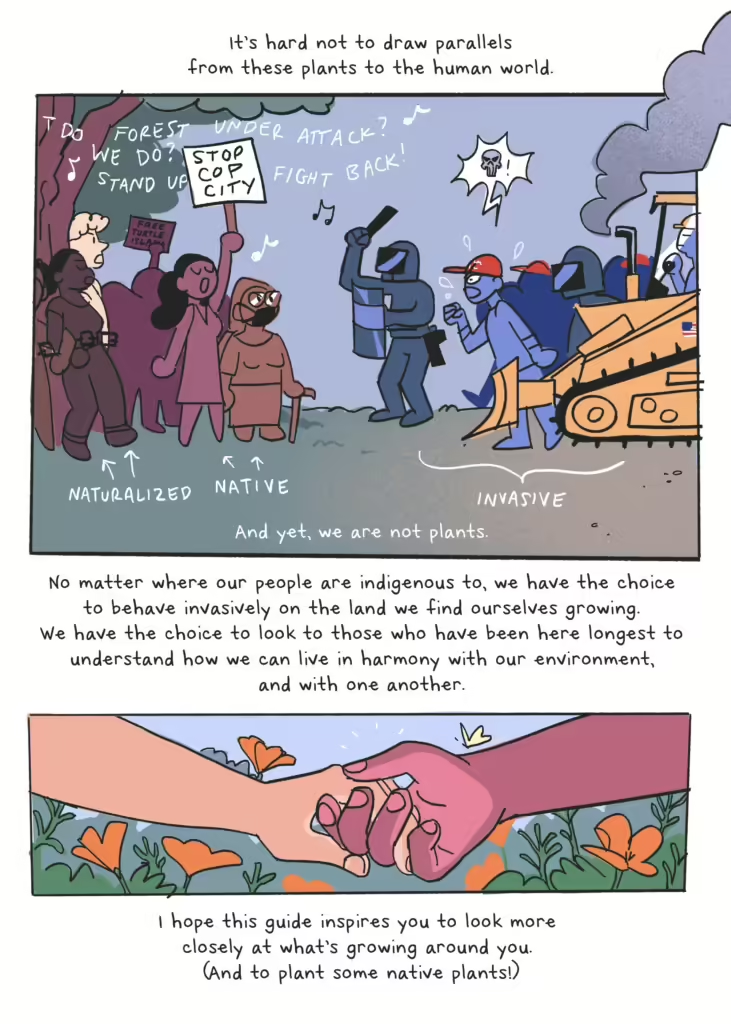
Buy a digital copy of the full comic at Mariah-Rose Marie's website. Sales benefit the Northern Chumash Tribal Council.
Sources
Articles referenced in introduction:
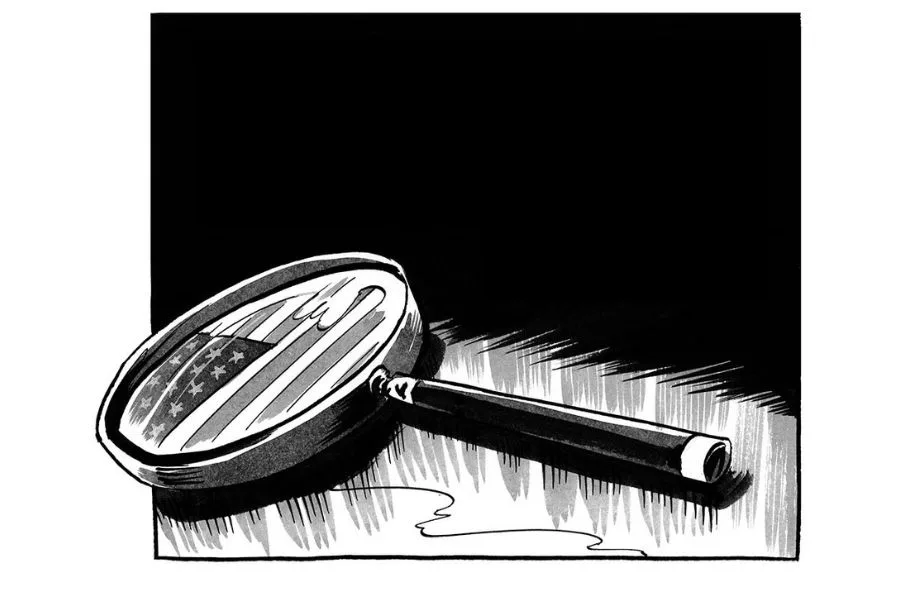
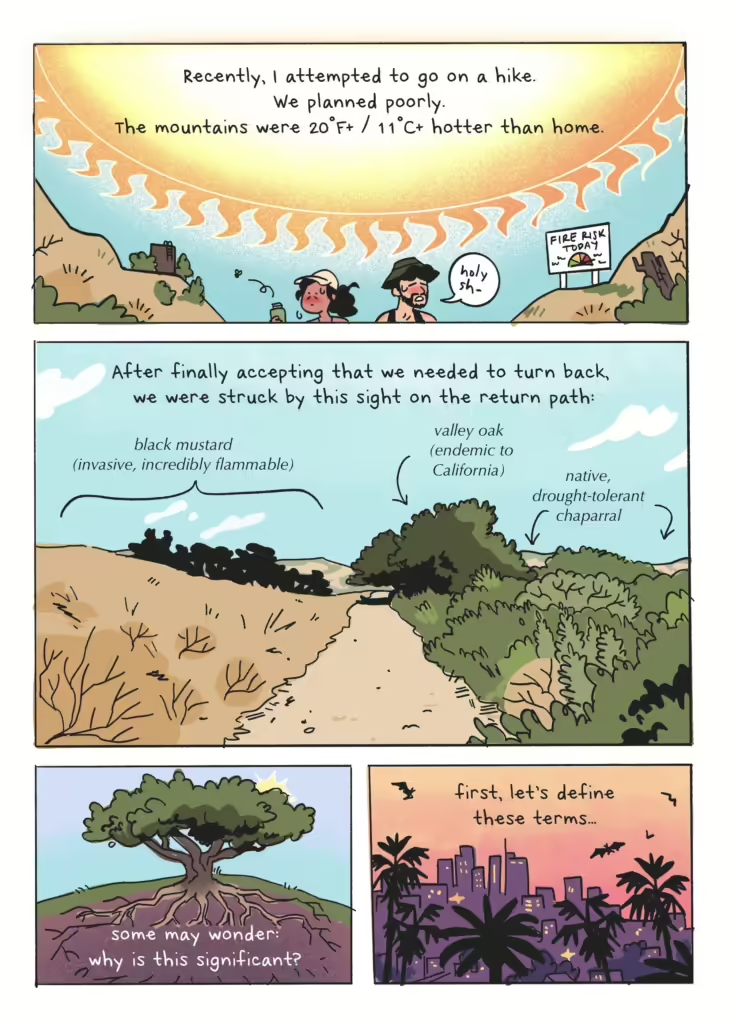
- The Colonial Roots of the Black Mustard Plant, PBS SoCal
- Black Mustard (not native), Nature Collective
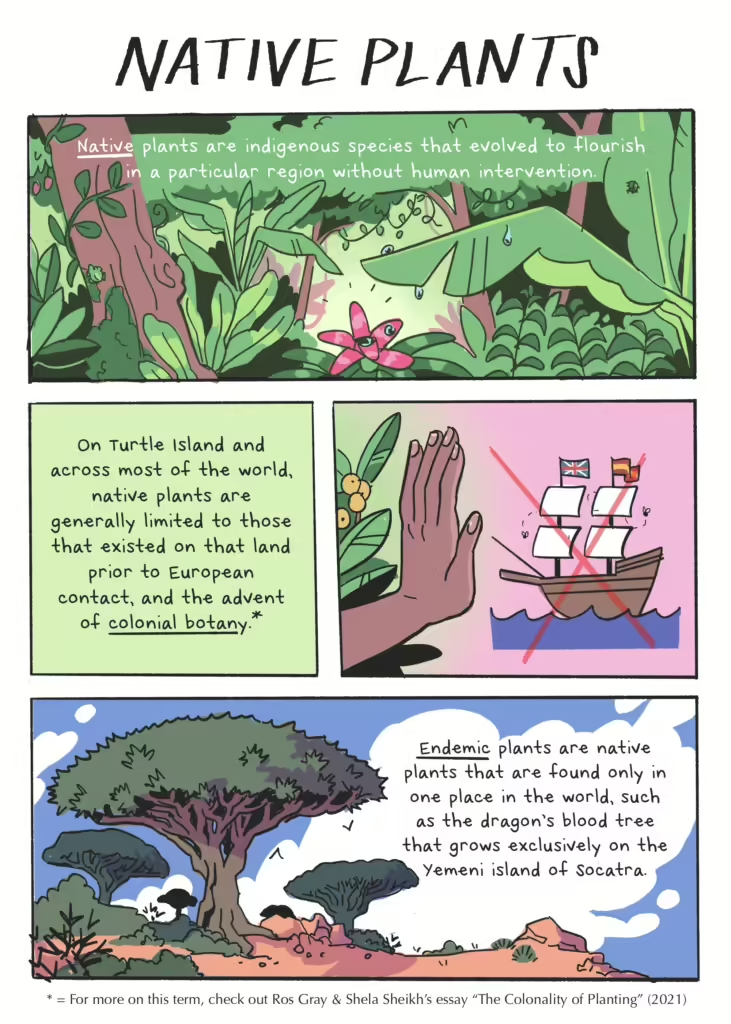
- The coloniality of planting: legacies of racism and slavery in the practice of botany, The Architectural Review
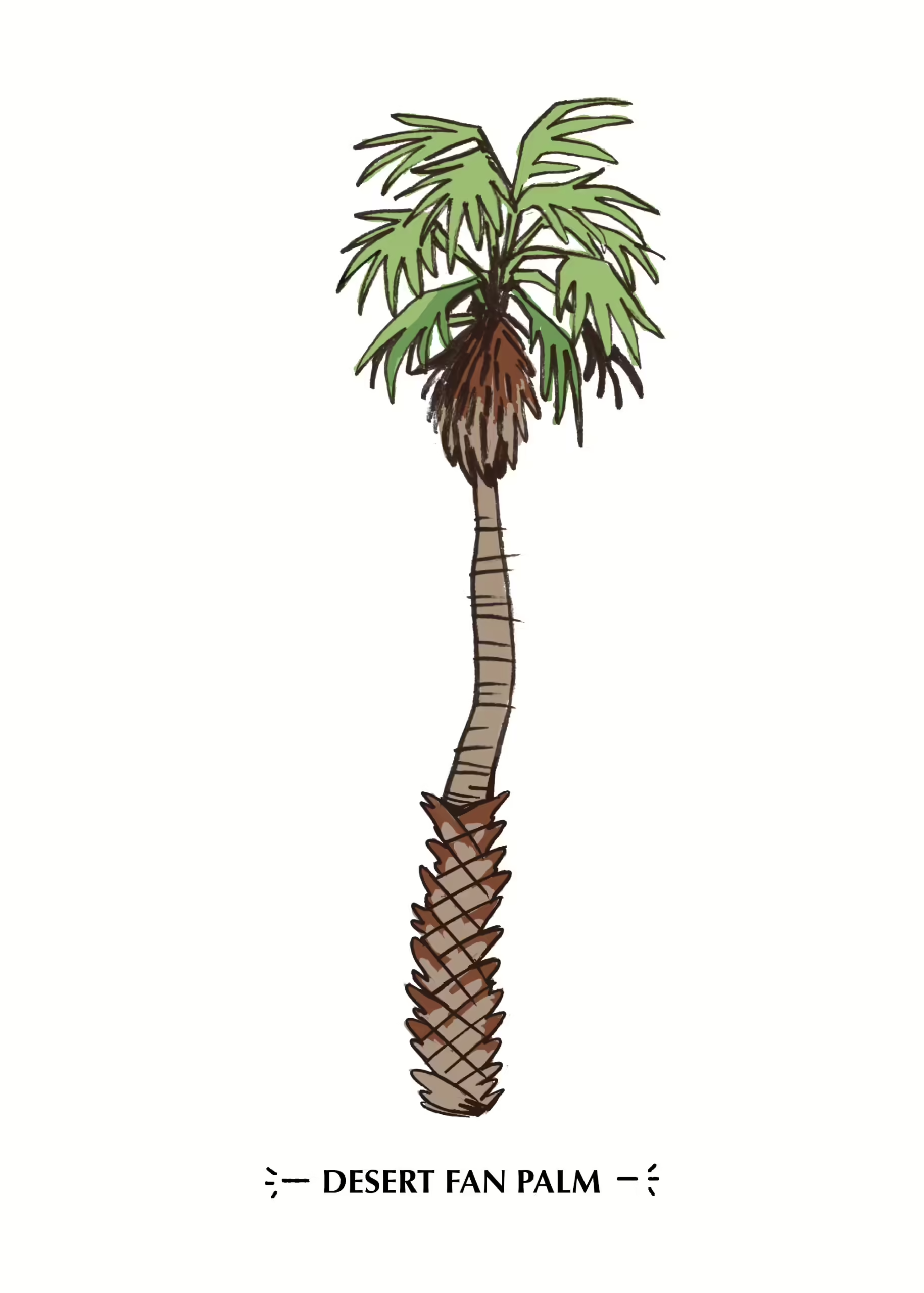
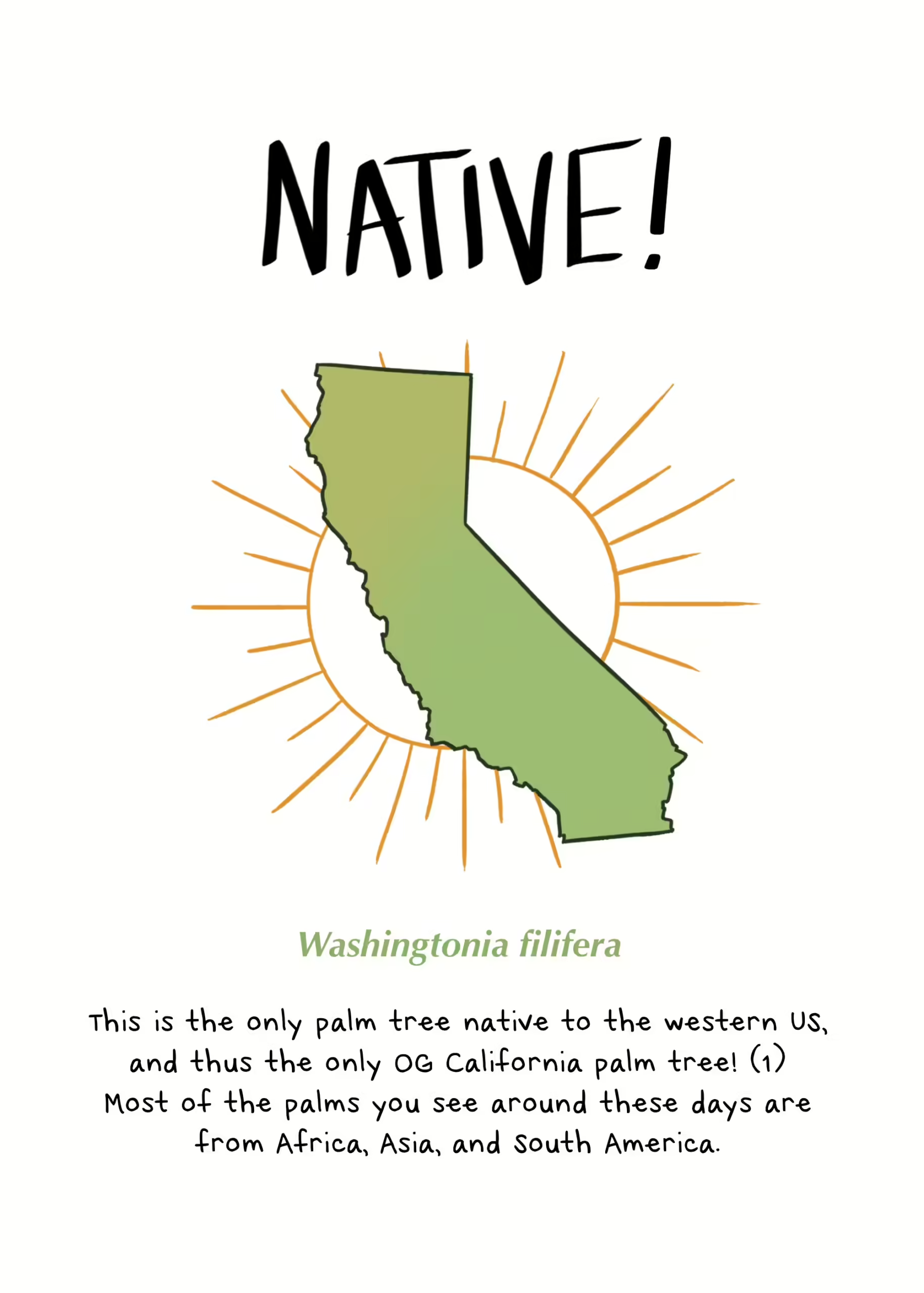
Desert Fan Palm - Washingtonia filifera: NATIVE
This is the only palm tree native to the western US, and thus the only OG California palm tree! (1) Most of the palms you see around these days are from Africa, Asia, and South America.
- Hogan, C. Michael (2009-01-05). "California Fan Palm (Washingtonia filifera)". iGoTerra.
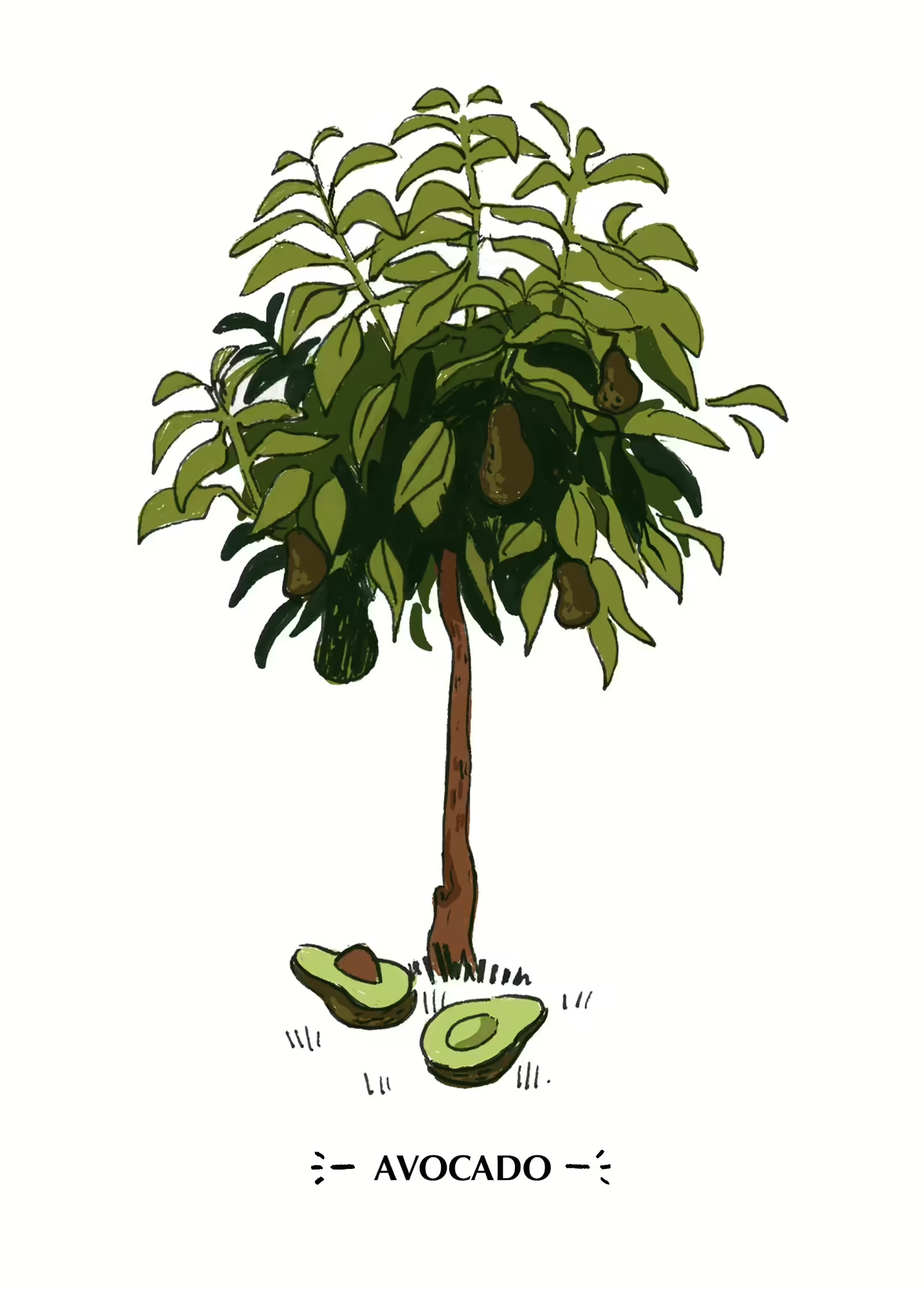
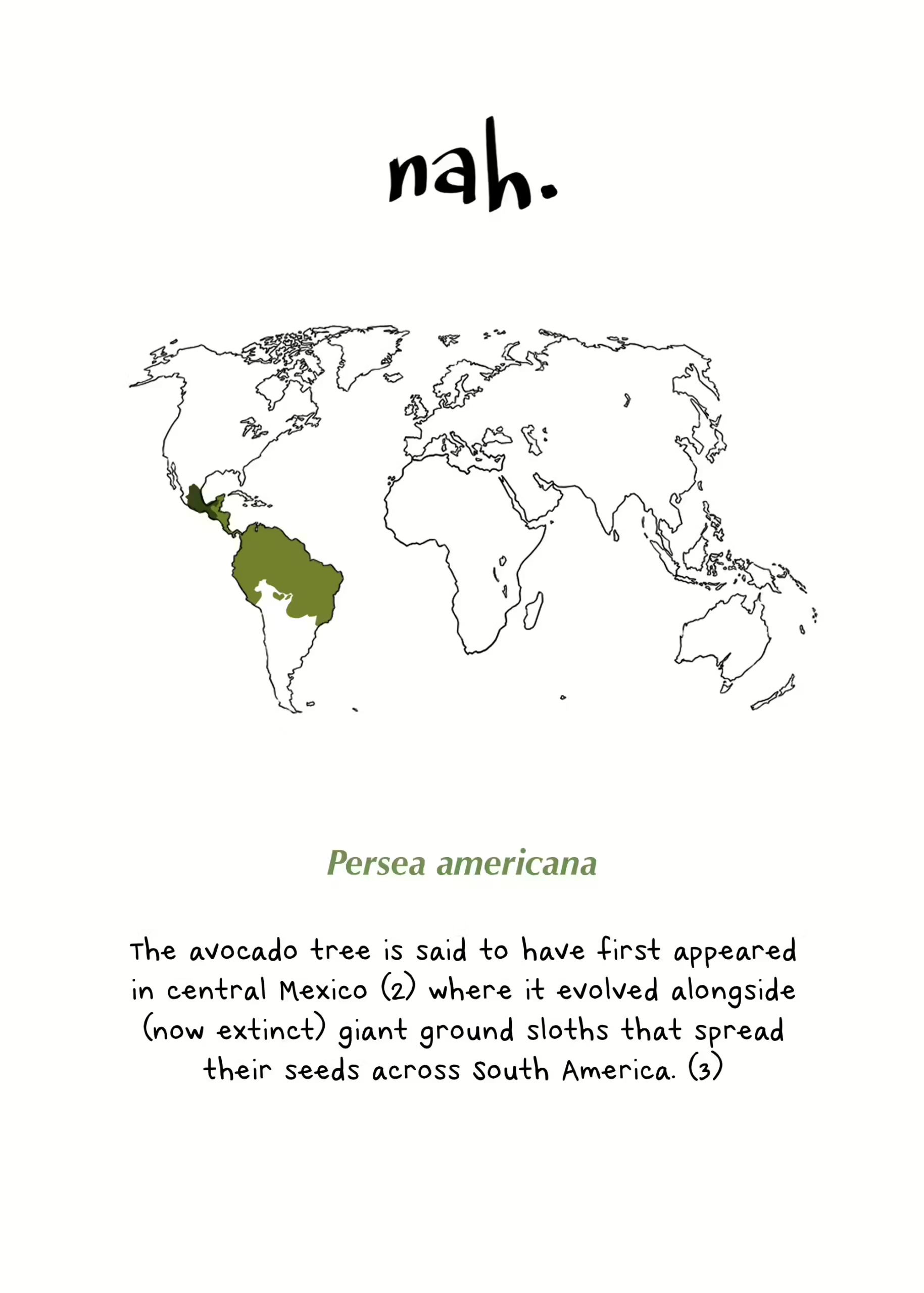
Avocado Tree - Persea americana: nah
The avocado tree is said to have first appeared in central Mexico (2) where it evolved alongside (now extinct) giant ground sloths that spread their seeds across South America. (3)
- Landon, Amanda J. (2009). "Domestication and Significance of Persea americana, the Avocado, in Mesoamerica". Nebraska Anthropologist. 47.
- Smith, K. Annabelle. "Why the Avocado Should Have Gone the Way of the Dodo". Smithsonian Magazine. The Smithsonian.
Bird of Paradise - Strelitzia (genus comprised of 5+ species) : nah
Though they are the official flower of Los Angeles, these colorful beauties are native to South Africa (4), where they are known as "isigude" by the indigenous Nguni people. (4)
- "Plants of the World Online: Strelitzia reginae Banks". Kew Science.
Valley Oak - Quercus lobata: NATIVE
Of the over 20 species of oak found across California, the valley oak is the largest of all in North America. (5) They can grow over 100 ft (30.8 m) high and live past 600 years old. (6)
- "Quercus lobata". Calflora: Information on California plants for education, research and conservation, with data contributed by public and private institutions and individuals, including the Consortium of California Herbaria. Berkeley, California: The Calflora Database – via www.calflora.org.
- Sawyer, John O; Keeler-Wolf, Todd (1995). A manual of California Vegetation. California Native Plant Society. p. 312.
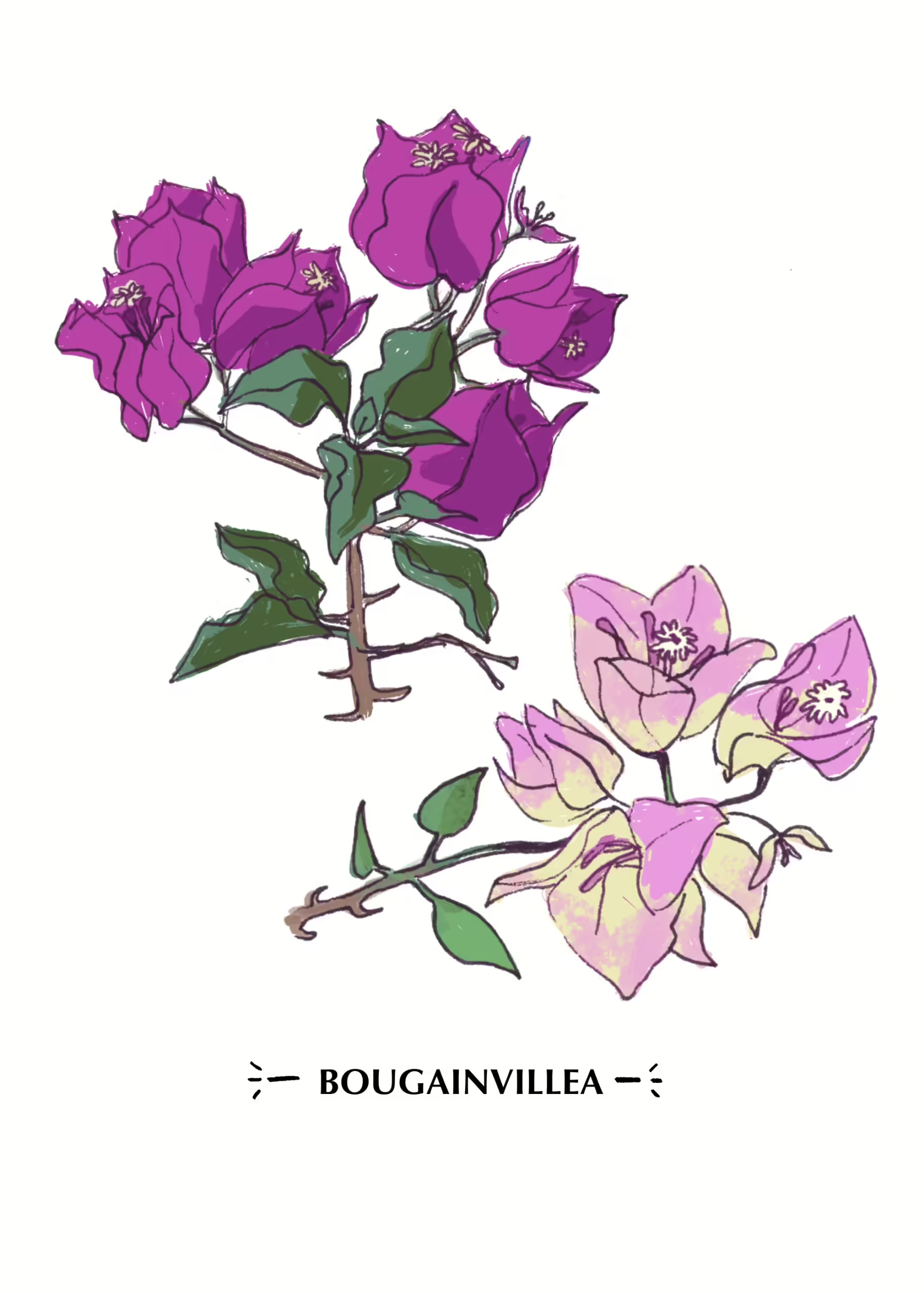
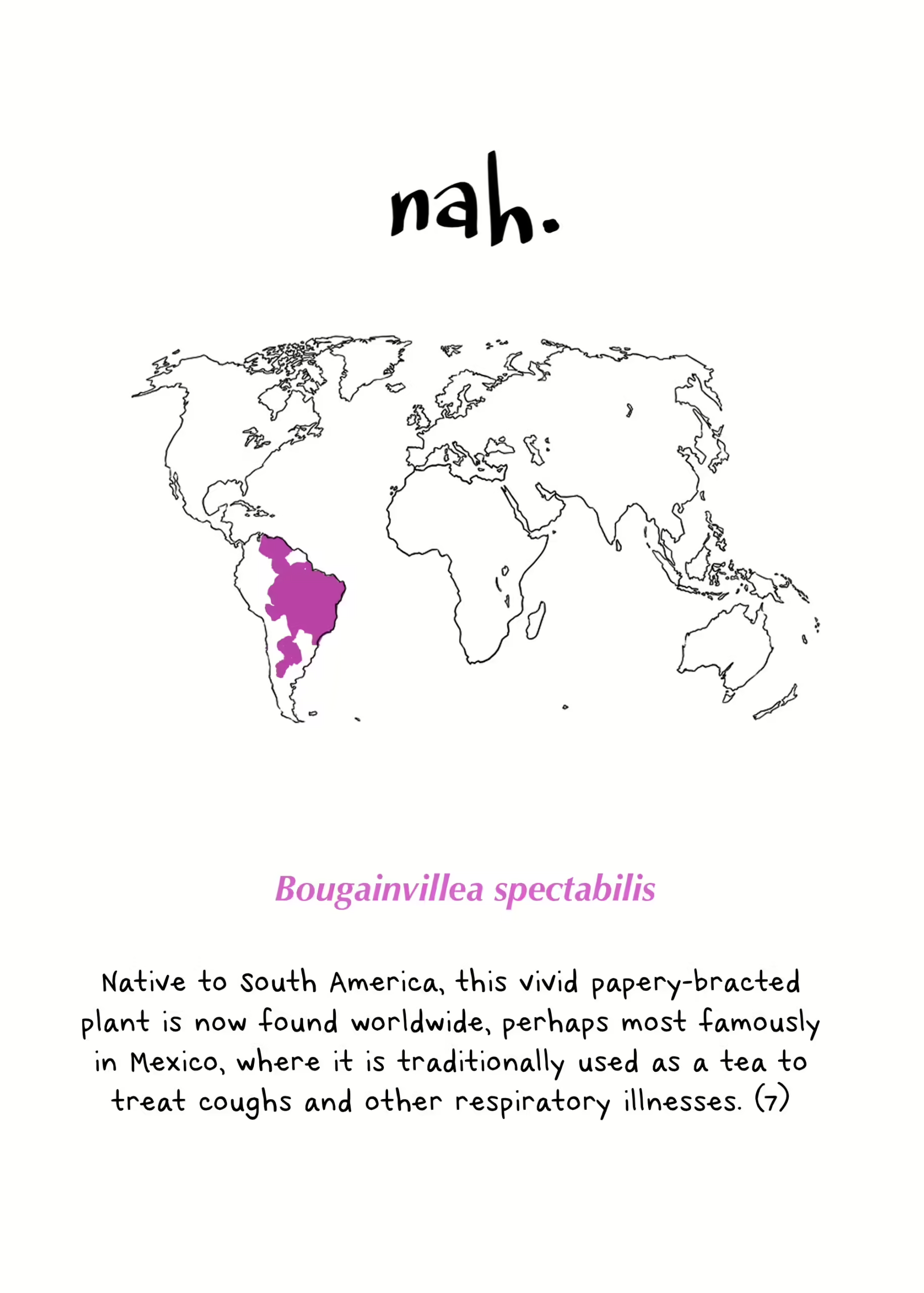
Bougainvillea - Bougainvillea (genus comprised of 4-18 species) : nah
Native to South America, this vivid, papery-bracted plant is now found worldwide, perhaps most famously in Mexico, where it is traditionally used as a tea to treat coughs and other respiratory illnesses. (7)
- Argueta A. Atlas de la Medicina Tradicional Mexicana (Vol. 1). México, D.F.: Instituto Nacional Indigenista; 1994.
Incense Cedar - Calocedrus decurrens: NATIVE
This gorgeous smelling tree is one of many native plants adapted to fire. (8) In the face of increasingly severe droughts and wildfires, it's important to remember that burns are necessary and natural in many California ecosystems. (9) Controlled burns are one of many indigenous techniques that can be utilized to prevent loss of life in the dry season.
- Franklin, Janet; Spears-Lebrun, Linnea A.; Deutschman, Douglas H.; Marsden, Kim. 2006. Impact of a high-intensity fire on mixed evergreen and mixed conifer forests in the Peninsular Ranges of southern California, USA. Forest Ecology and Management. 235(1-3): 18-29. [65016]
- University of California Agriculture and Natural Resources. “Wildfire.” Extending Orchard IPM Knowledge in California, University of California, Agriculture and Natural Resources.
Weeping Fig - Ficus benjamina: nah
Though small and cute at first, these are the very same trees that grow into the notorious shallow-rooted sidewalk destroyers around Los Angeles. They are native to Asia & Australia. (10)
- “Ficus Benjamina.” Vitex Agnus-Castus - Plant Finder.
Jacaranda - Jacaranda mimosifolia: nah
Jacaranda are native to South America where they too cover everything with their sticky purple flowers (11)
- “Jacaranda Mimosifolia (Jacaranda)." CAB International.
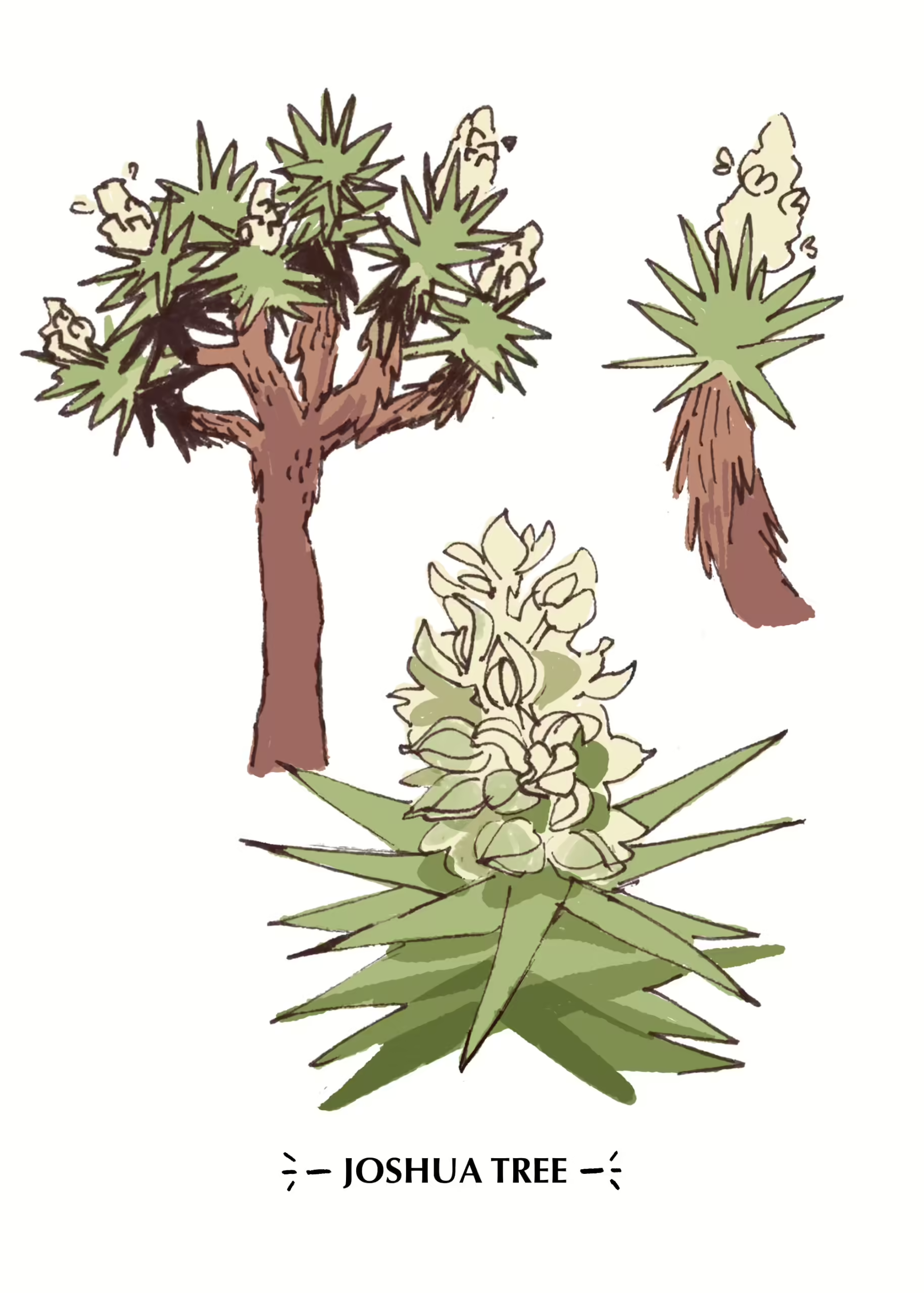
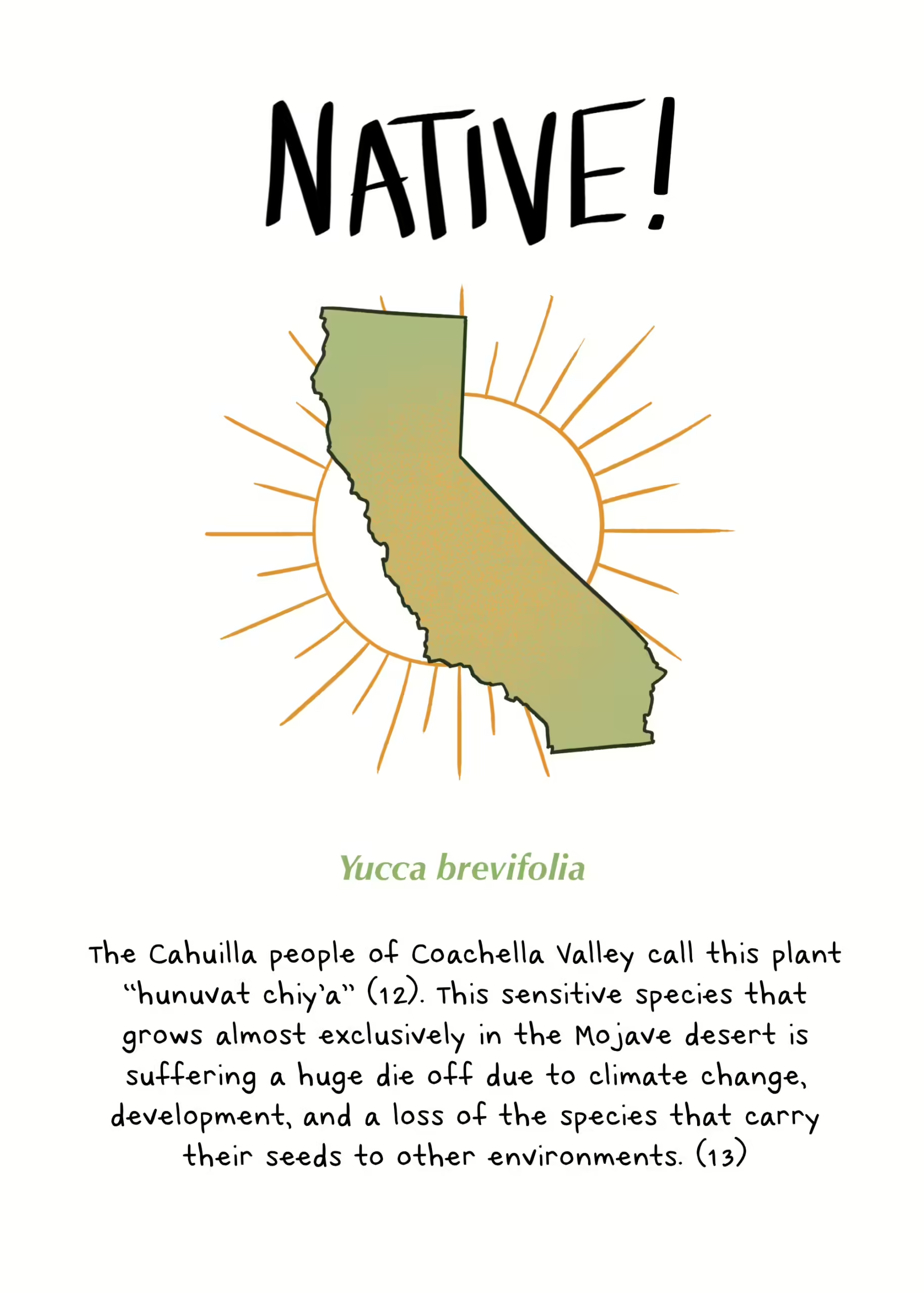
Joshua Tree - Yucca brevifolia: NATIVE
The Cahuilla people of Coachella Valley call this plant “hunuvat chiy’a”, (12) This sensitive species that grows almost exclusively in the Mojave desert is suffering a huge die off due to climate change, development, and a loss of the species that carry their seeds to other environments. (13)
- Rodgers, Jane. “Joshua Trees.” National Parks Service, U.S. Department of the Interior, 21 Mar. 2016.
- DeMille, David. “Joshua Tree to Get Endangered Species Consideration.” The Spectrum & Daily News, Deseret News, 13 Sept. 2016.
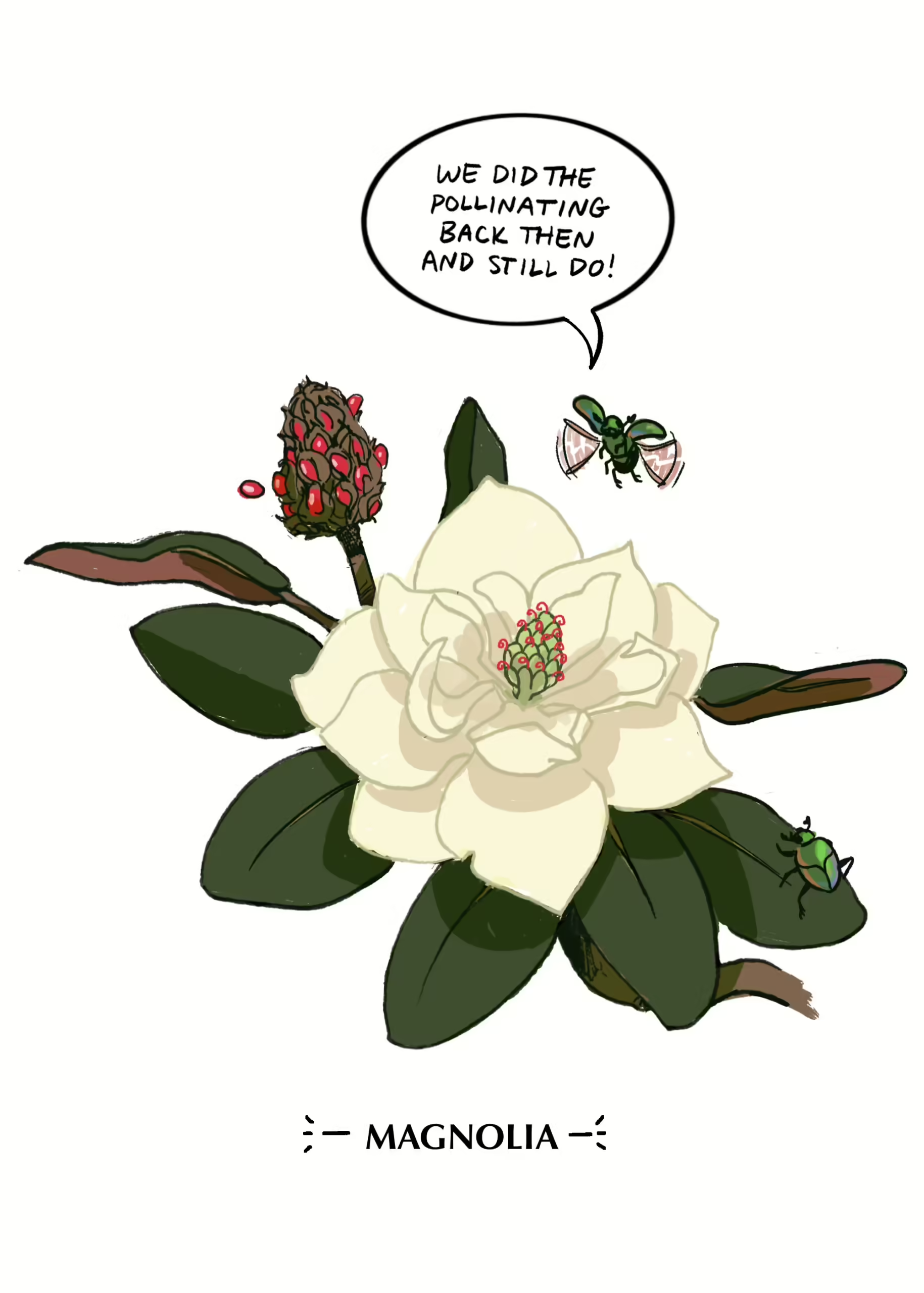
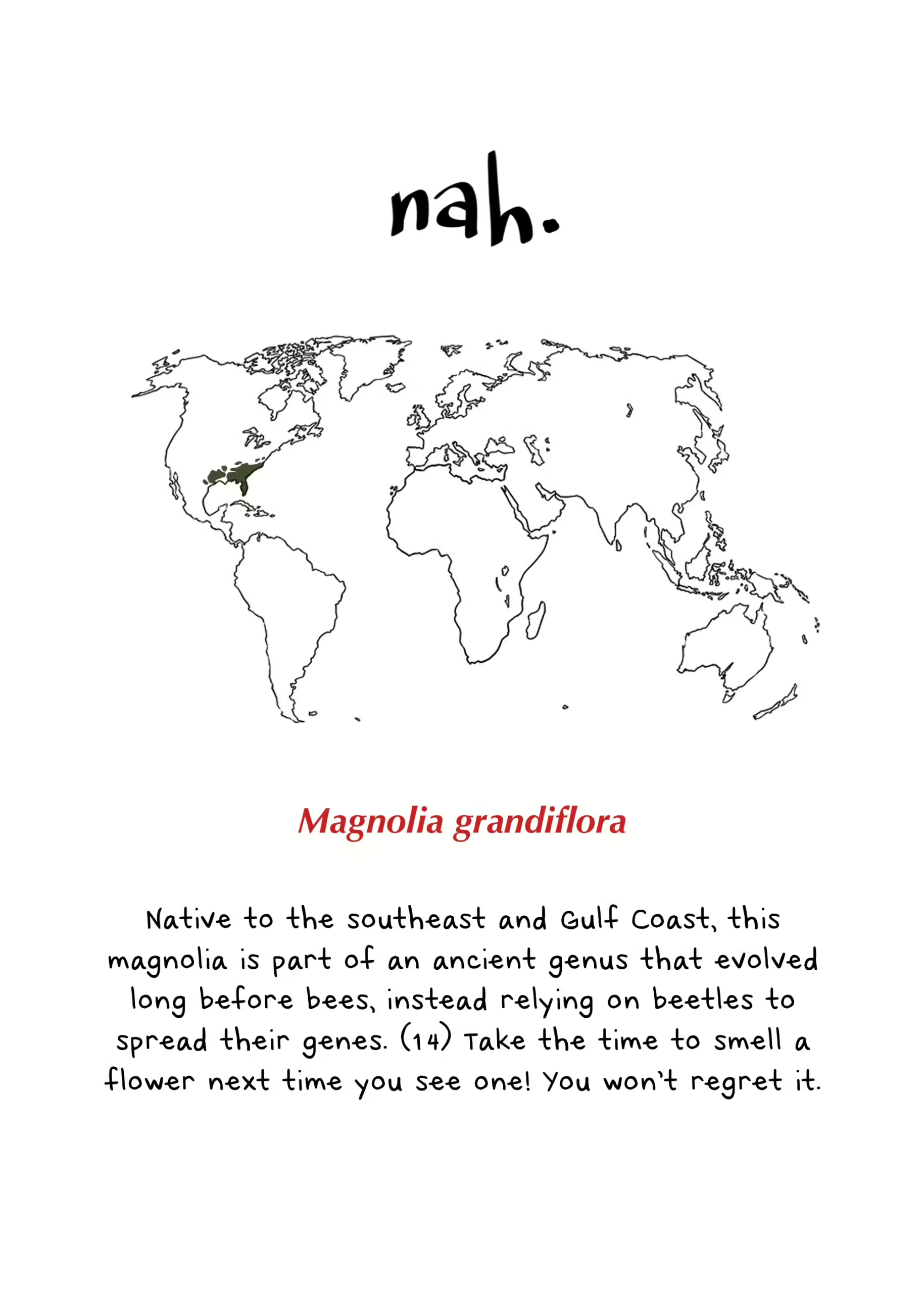
Magnolia - Magnolia grandiflora: nah
This Magnolia is part of an ancient genus that evolved long before bees, instead relying on beetles to spread their genes. (14) Take the time to smell a flower next time you see one… you won’t regret it.
- “Magnolia.” Tree of the Month, The Arnold Arboretum of Harvard University, 2014.
Lily of the Nile - Agapanthus (genus comprised of 6-10 species) : nah
Though you’d think its name might give away the origins of this flower, it is neither a lily, nor is its native range particularly close to the Nile River. (15) Today, however, they can be found cultivated in warm places across the world.
- Klaus Kubitzki. 1998. "" pages 58–60. In: Klaus Kubitzki (editor). 1998. The Families and Genera of Vascular Plants volume III. Springer-Verlag: Berlin;Heidelberg, Germany. ISBN 978-3-540-64060-8
Pacific Ponderosa Pine - Pinus ponderosa benthamiana: NATIVE
Ponderosas are the most widely spread species of pine in North America. (16) This subspecies is one of the tallest growing pines in the world, the record currently held in state by an individual reaching 274.6 ft (83.7 m) tall! (17)
- Safford, H.D. 2013. Natural Range of Variation (NRV) for yellow pine and mixed conifer forests in the bioregional assessment area, including the Sierra Nevada, southern Cascades, and Modoc and Inyo National Forests. Unpublished report. USDA Forest Service, Pacific Southwest Region, Vallejo, CA.
- Taylor, Michael. 2017.04.29. LiDAR search reveals tallest pine tree on Earth. Posting on Native Tree Society BBS, accessed 2017.05.14.
Hibiscus - Hibiscus rosa-sinensis (Genus of 300+ species) : nah
Researchers can’t seem to agree on where these big pretty flowers originally came from, but they are abundant in tropical regions all over the world. (18)
- Chin, H. F. (1986). Introduction. In The hibiscus: Queen of tropical flowers. Kuala Lumpur: Tropical Press, pp. 2–3. (Call no.: RCLOS 635.93317 CHI)
Prickly Pear - Opuntia (number of species disputed) : NATIVE
These incredible cacti not only provide food from their stems & fruit, but they also have amazing potential to fight environmental disaster by the way their mucusy insides bind to oil. Scientists are at work to replace toxic chemicals used to clean oil spills with a powdered version of this plant. (19)
- O'Brien, Miles. "Cactus "flesh" cleans up toxic water". National Science Foundation.
Toyon - Heteromeles arbutifolia : NATIVE
Also known as the Christmas Berry or California Holly, this plant's berries are enjoyed widely by the Chumash, Tonga, Costanoan, Luiseno, Kumeyaay and Cahuilla tribes, and its leaves are used for all sorts of medicinal remedies. (20)
- Merriam, C. Hart 1966 Ethnographic Notes on California Indian Tribes. University of California Archaeological Research Facility, Berkeley (p. 373)
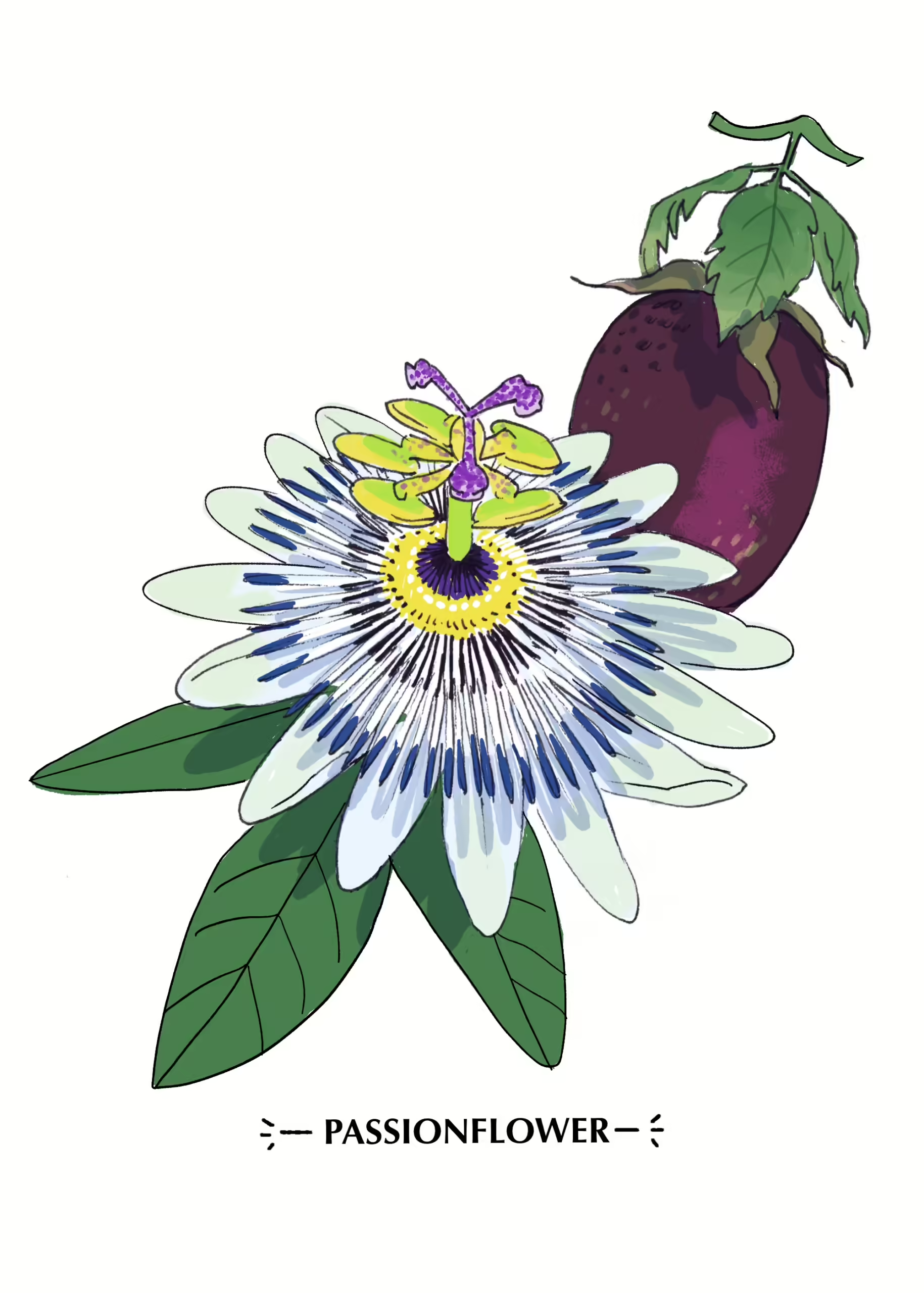
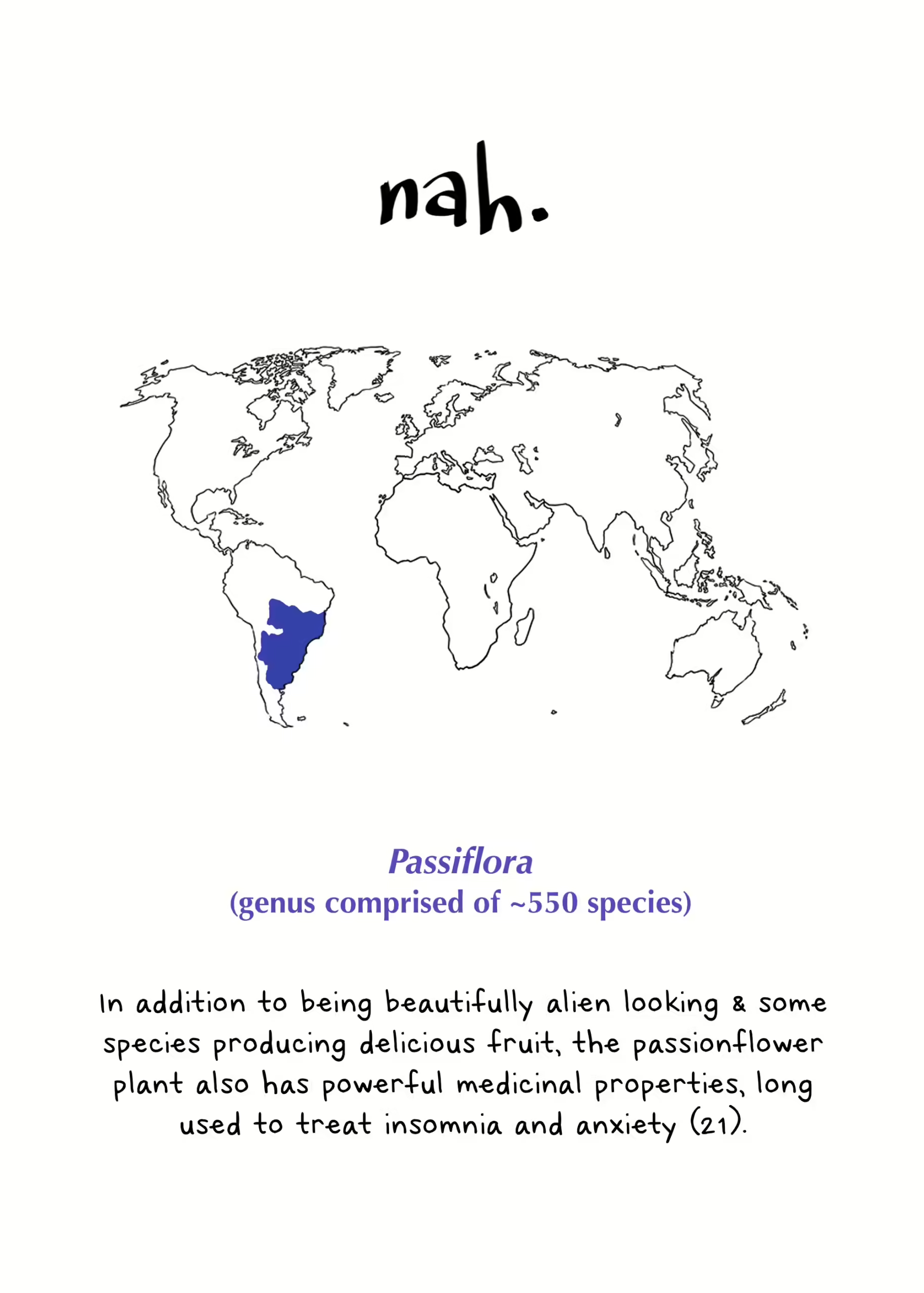
Passionflower - Passiflora (genus comprised of ~550 species) : nah
In addition to being beautifully alien looking & some species producing delicious fruit, the passionflower plant also has powerful medicinal properties, long used to treat insomnia and anxiety. (21)
- Akhondzadeh, S. (October 2001). "Passionflower in the treatment of generalized anxiety: a pilot double-blind randomized controlled trial with oxazepam". Journal of Clinical Pharmacy and Therapeutics. pg. 26 (5): 363–367. doi:10.1046/j.1365-2710.2001.00367.x.
Redwood / Sequoia - Sequoiadendron sempervirens & Sequoiadendron giganteum : NATIVE
These magnificent trees are some of earth’s oldest living organisms, with the oldest specimen still alive at 3,500+ years old. (22) However, less than 20% of their old growth forests are left, largely due to government-supported logging and destruction. (23) Both species are now endangered, (24) but planting some saplings vigilante-style is both totally legal and would make for a really cool-sounding hobby. *
* as always, do your research before trying this. Some public lands may not allow this, and remember it’s always best to put natives where they belong - in their native range!
- "The thickest, tallest, and oldest giant sequoia trees (Sequoiadendron giganteum)". monumentaltrees.com.
- "The Giant Sequoia National Monument". usda.gov. United States Department of Agriculture - Forest service. Archived from the original on November 19, 2018
- Schmid, R. & Farjon, A. 2013. Sequoiadendron giganteum. In: IUCN 2013. IUCN Red List of Threatened Species. Version 2013.1. www.iucnredlist.org.
Citrus - Citrus (genus comprised of 3 species) : nah
All those orange, lemon, grapefruit, mandarin, and kumguats your neighbors never seem to pick off their overburdened trees? Their origins are disputed, but most researchers think they originated in and around south, east, and southeast Asia. (25) Your neighbors wouldn't miss them if you took a few. Trust me.
- Xiaomeng Li, Rangjin Xie, Zhenhua Lu, and Zhiqin Zhou. “The Origin of Cultivated Citrus as Inferred from Internal Transcribed Spacer and Chloroplast DNA Sequence and Amplified Fragment Length Polymorphism Fingerprints.” Journal of the American Society for Horticultural Science, 2010; 135: 341-350
Society Garlic - Tulbaghia violacea : nah
These are commonly planted in road divides all over Southern California, but did you know they’re a type of garlic native to grassland areas of South Africa? (26) And that they’re totally edible and delicious? (27)
- “Tulbaghia Violacea - Plant Finder.” Missouri Botanical Garden, Missouri Botanical Garden.
- Green, Deane. “Society Garlic.” Eat The Weeds and Other Things, Too, 8 Sept. 2017.
Island Morning Glory - Calystegia macrostegia : NATIVE
Though rarer than it's bluish-purple relative, this species is the only morning glory native to California.(28
Unsurprisingly, this native is much more hardy, drought-tolerant, and beneficial to local ecosystems than the Heavenly Blue variety.
- “Morning Glory vs. Morning Glory.” FormLA Landscaping.
White Sage - Salvia apiana : NATIVE
White sage is traditionally used for smudging by natives all over Northern America. Unfortunately, due to the appropriation and popularity explosion of this practice in recent years, overharvesting is putting wild populations at serious risk. (29)(30) Instead of buying white sage from stores that are not native owned land very likely source it unethically) consider growing it yourself. It's hardy, drought-tolerant, has a beautiful scent, and pollinators love it!
- Fahrenkrug, Dakota. “Smudge and the Cultural Appropriation Issue” Willy Street Co-op, Aug. 2019.
- "400 pounds of endangered sage seized, 4 arrested at North Etiwanda Preserve". Press Enterprise. 2018-06-26.
Marijuana - Cannabis : nah
Though seemingly integral to California culture, marijuana is in fact native to the steppes of Central Asia. It is considered one of the oldest species of plants cultivated by humans, with evidence of use dating back to 3000 BC. (31)
- Blaszczak-Boxe, Agata. “Marijuana's History: How One Plant Spread Through the World.” LiveScience, 17 Oct. 2014.
Maidenhair Fern - Adiantum jordanii : NATIVE
Though there are over 200 species in the genus Adiantum, this particularly delicate, lacy species first appeared right here in California. (32) Look for it around creeks or waterfalls on your next hike. If you can still find some running, that is.
- Christenhusz, Maarten J. M.; Zhang, Xian-Chun; Schneider, Harald (2011). "A linear sequence of extant families and genera of lycophytes and ferns" (PDF). Phytotaxa. 19: 7–54.
Dudleya - Dudleya (genus comprised of ~45 species) : NATIVE
succulents have taken over human-tended landscapes to fight drought in recent years. While a "succulent" is just a broad term for any fleshy, water-storing plant, many species among this particular genus are native to California. (33) They are beautiful, easy to propogate, and are low maintenance.
- Genus: Dudleya. Calflora.
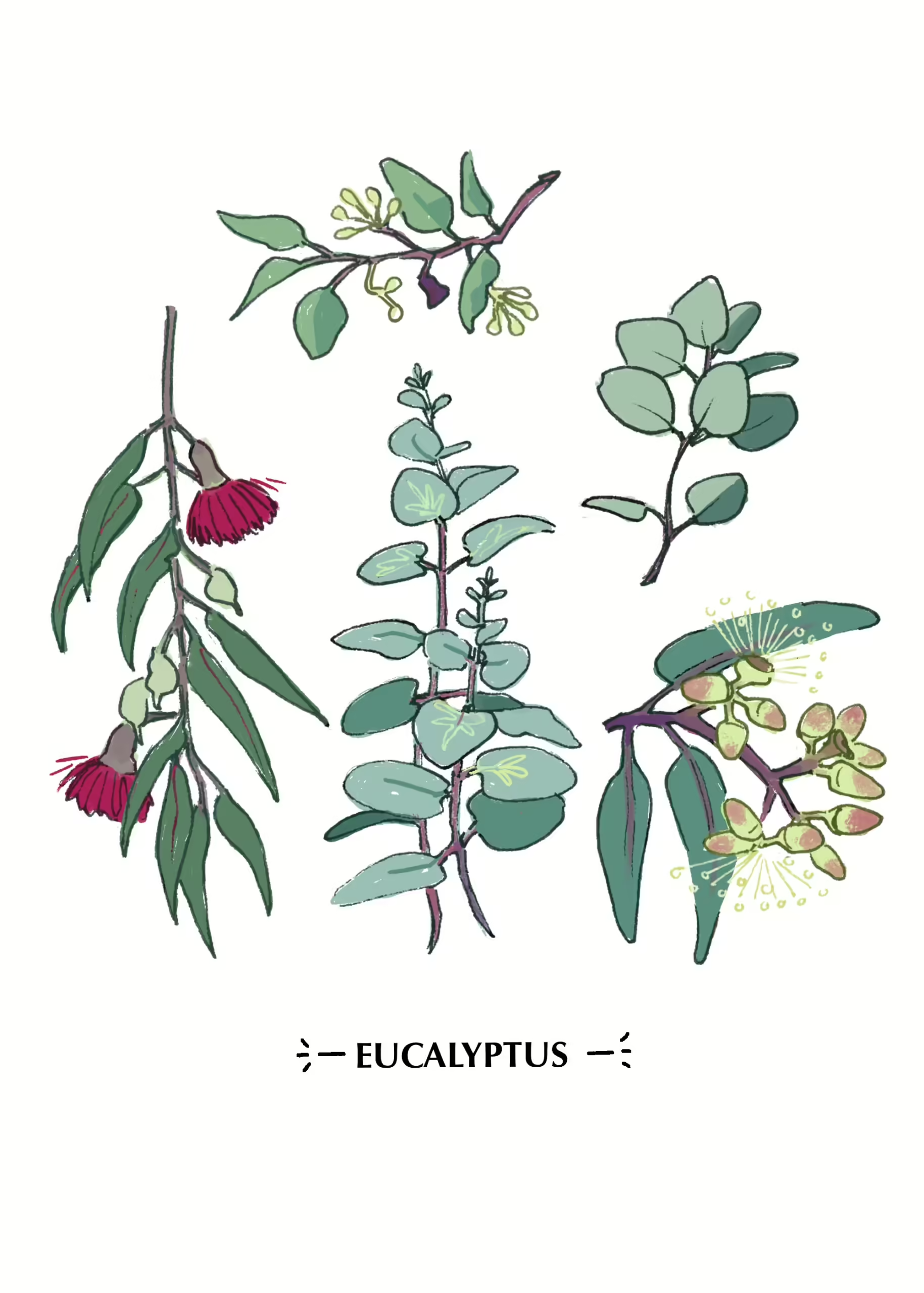
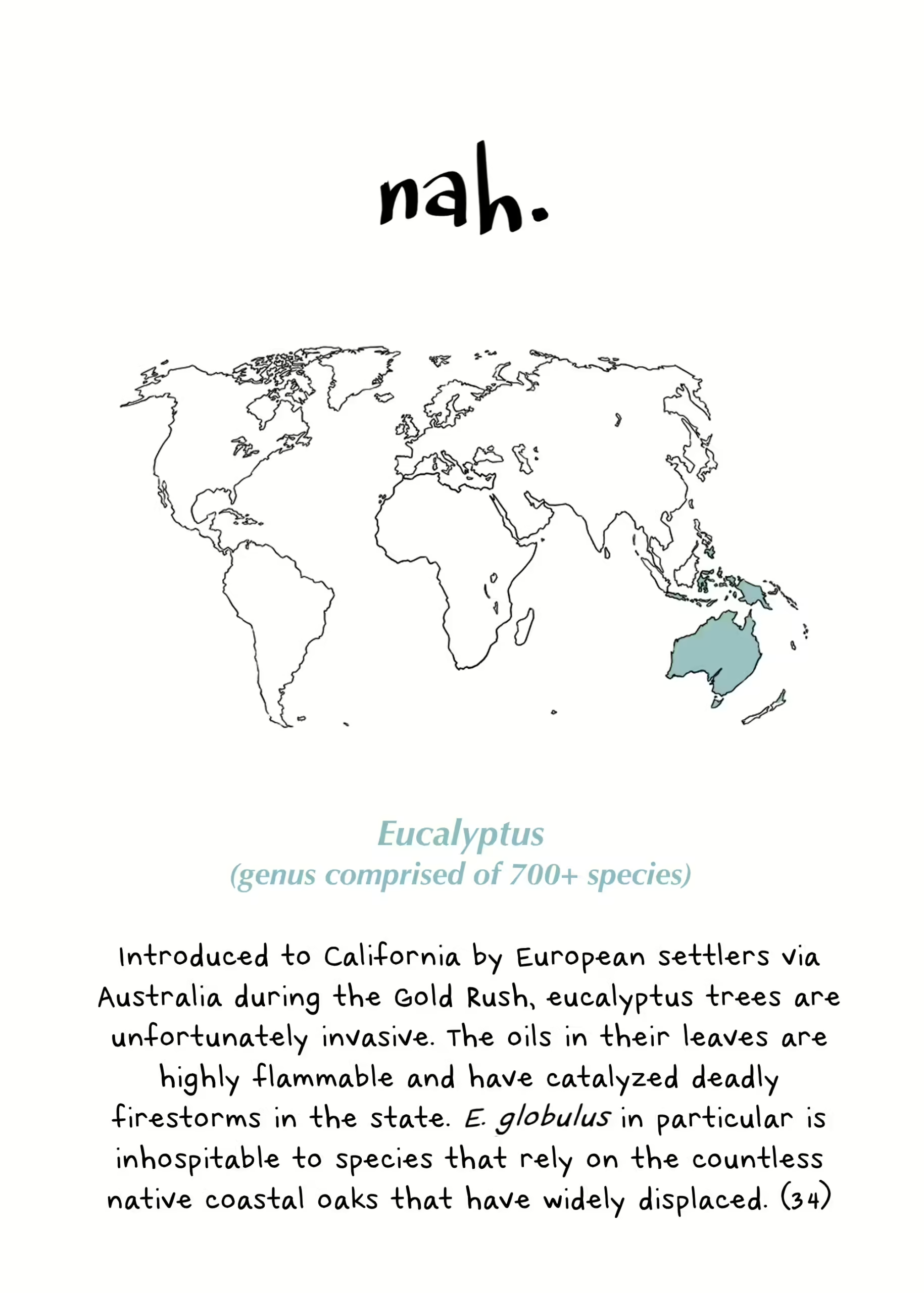
Eucalyptus (Genus) - Eucalyptus (genus comprised of 700+ species) : nah
Introduced to California by European settlers via Australia during the Gold Rush, eucalyptus trees are unfortunately invasive. The oils in their leaves are highly flammable and have catalyzed deadly firestorms in the state. E. globulus in particular is inhospitable to species that rely on the countless native coastal oaks they have widely displaced. (34)
- Liza, Gross (June 12, 2013). "Eucalyptus: California Icon, Fire Hazard and Invasive Species". KQED
Star Jasmine - Trachelospermum jasminoides : nah
Arguably one of the best-smelling things in California, star jasmine is actually native to east and southeast Asia. (35)
- Flora of China: Trachelospermum jasminoides
California poppy - Eschscholzia californica : NATIVE
Long before it became California's state flower in 1903, indigenous peoples (such as the Luiseno, Cahuilla, Costanoan and Pomo) recognized and utilized these plants for their medicinal, nutritional and cosmetic properties. (36)
36. "California Poppy." USDA Plant Guide (September 2018).